 English
 Español
Detachable LCD visual air fryers represent an advanced category of smart kitchen appliances, integrating removable display technology with real-time visual cooking functionality. Compared with conventional air fryers, this type of product introduces higher requirements in terms of electronic protection, user operation, thermal management, and long-term reliability. Understanding professional usage considerations is essential for maintaining stable performance, ensuring user safety, and preserving product value throughout its lifecycle.
Detachable LCD Module Handling and Installation
The detachable LCD module is a precision electronic component that integrates display panels, touch sensors, control circuits, and signal connectors. Any installation or removal operation should be performed when the appliance is completely powered off. Live disconnection may cause electrical arcing, connector damage, or control board malfunction.
The LCD module should be kept away from heat sources and moisture after removal. High temperatures may cause deformation of internal layers, while moisture exposure increases the risk of corrosion or short circuits. During installation, proper alignment with the main unit interface is critical. Incomplete contact or misalignment can result in display flickering, delayed response, or system errors.
Although the detachable structure improves maintenance convenience, excessive disassembly increases mechanical wear. Under normal daily use, the LCD module should remain installed and only be removed for cleaning, inspection, or authorized servicing.
Display and Touch Interface Usage Precautions
LCD screens operating in kitchen environments face challenges such as oil fumes, steam, and temperature fluctuations. Touch interaction should be performed with clean, dry fingers. Oil residue on the screen surface may reduce touch sensitivity or cause inaccurate command input.
Screen cleaning requires soft, lint-free cloths designed for electronic displays. Abrasive materials or chemical solvents can damage the protective coating and reduce display clarity. Prolonged display of static images may cause image retention on certain LCD panels, making proper use of sleep or auto-dimming functions beneficial for long-term durability.
Users should confirm cooking parameters on the display before leaving the appliance unattended. Accidental touch input can alter temperature or time settings, directly affecting cooking outcomes.
Visual Window and Internal Lighting Considerations
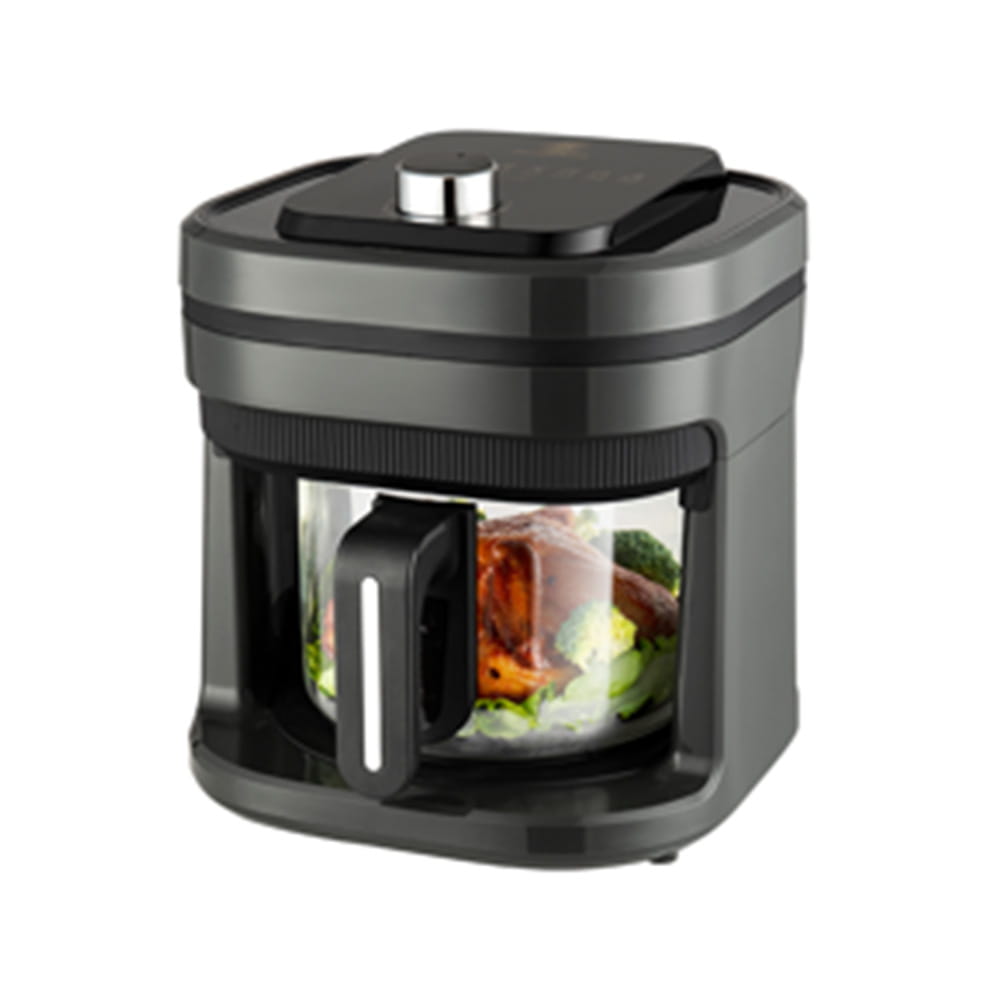
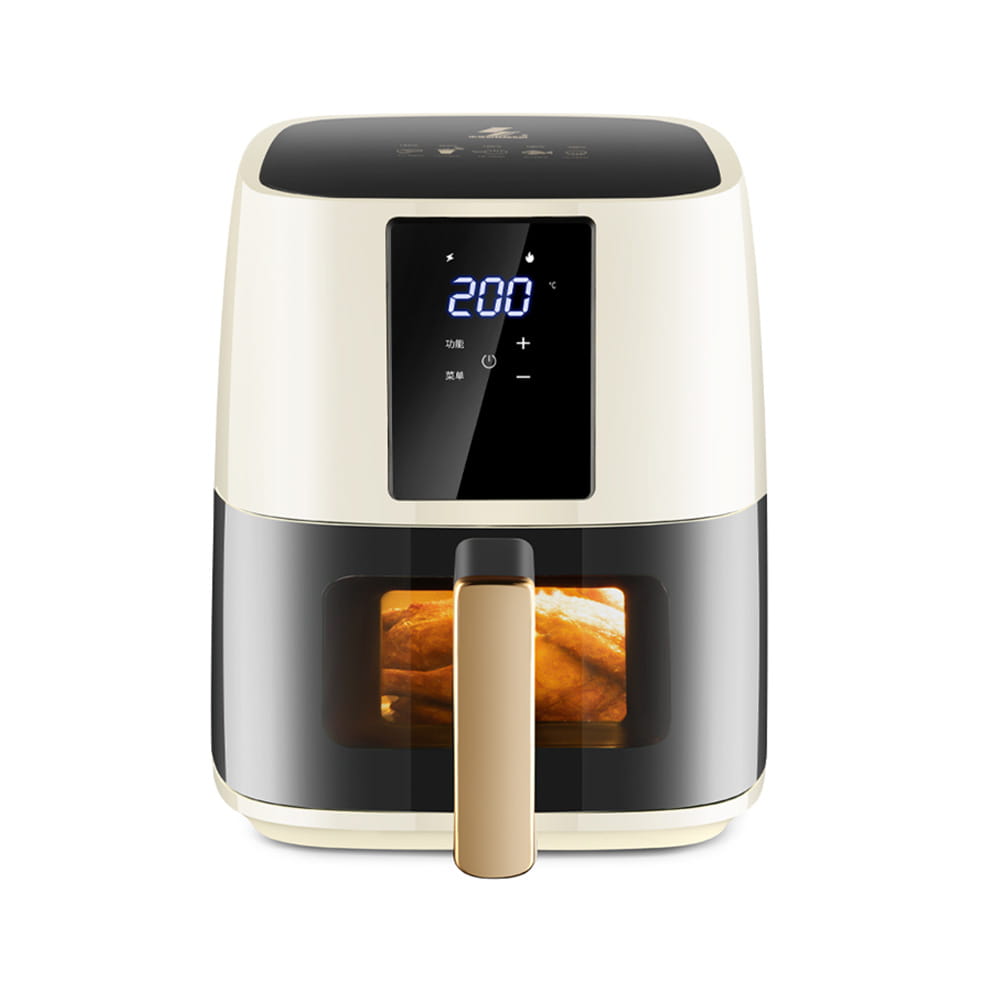
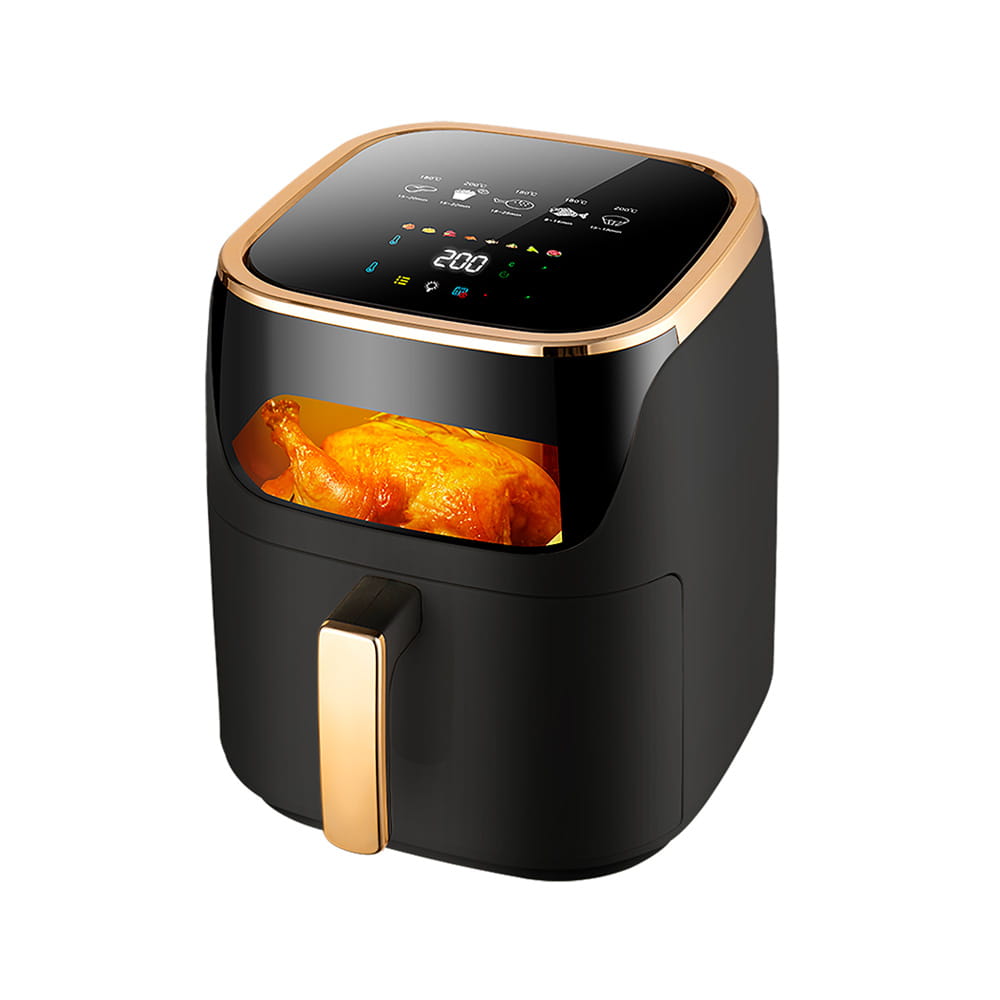
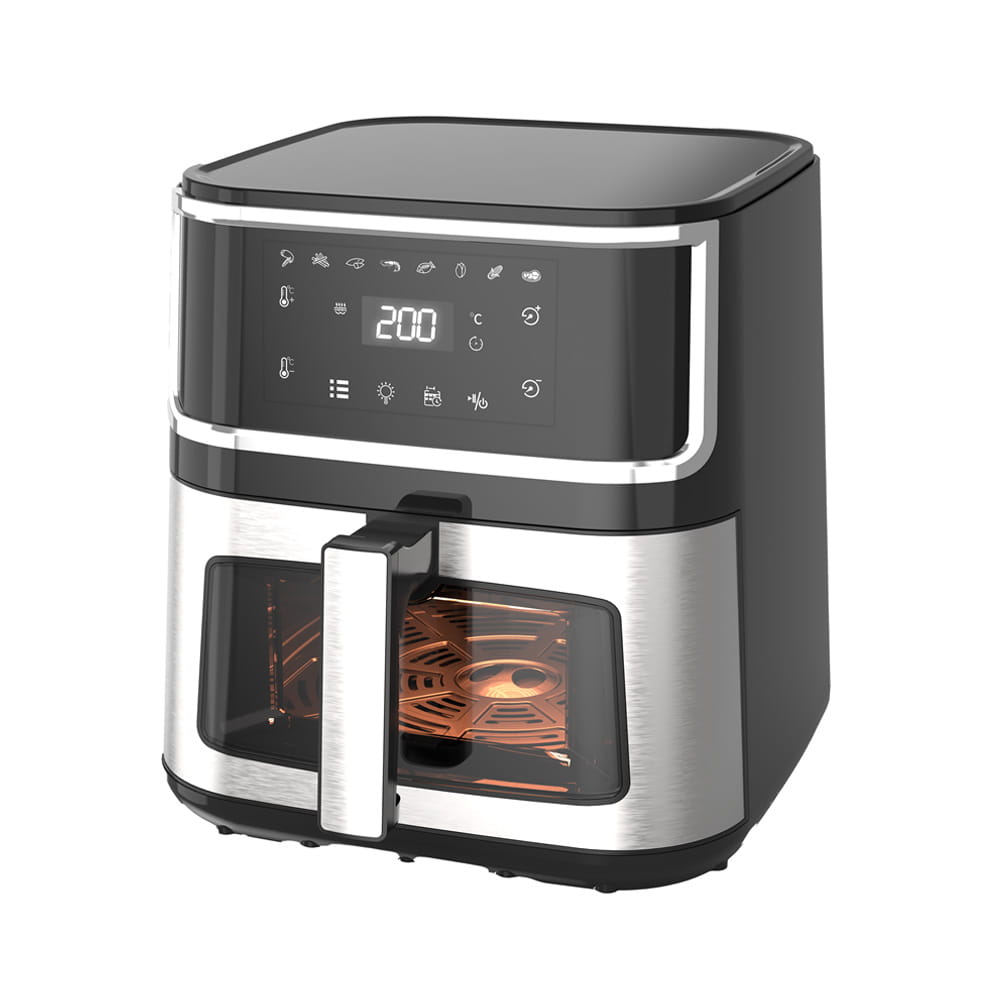
The visual window enables real-time observation of food during cooking, enhancing user control and cooking accuracy. This window is typically constructed from tempered glass or high-temperature-resistant polymer materials. External impact should be avoided, as even reinforced materials can fracture under concentrated force.
The window surface reaches elevated temperatures during operation. Direct contact immediately after cooking presents a burn hazard. Internal lighting systems operate continuously in high-heat conditions and rely on heat-resistant components. Cleaning or maintenance of the internal chamber should only be performed after full cooling to prevent thermal shock or component damage.
Frequent opening of the cooking chamber for visual inspection disrupts airflow dynamics. Stable air circulation is essential for consistent heat distribution, making reliance on the visual window preferable to manual opening.
Cooking Process and Operational Safety
Detachable LCD visual air fryers rely on electronic control systems to regulate temperature, airflow, and cooking programs. Power supply stability plays a crucial role in maintaining system accuracy. Electrical sources should match rated voltage specifications to avoid control instability or system resets.
Ventilation openings must remain unobstructed during operation. Restricted airflow may lead to abnormal internal temperatures, triggering protective shutdown mechanisms or accelerating component wear. Cooking baskets and inner containers operate under high thermal load and should be handled with insulated gloves to prevent injury.
Foods with high moisture or fat content may generate oil splatter under intense hot air circulation. Appropriate portion sizing helps maintain cleanliness and reduces internal residue accumulation.
Cleaning and Maintenance Requirements
Detachable LCD design does not imply that the entire appliance is water-resistant. The main unit should never be immersed in water. Cleaning should be limited to surface wiping using damp cloths. The LCD module requires separate handling, with special attention given to connector areas where moisture accumulation must be avoided.
Removable accessories such as baskets, racks, and trays should cool completely before washing. Sudden temperature changes caused by cold water exposure may weaken material integrity over time. Oil residue accumulation on the interior side of the visual window can impair visibility and should be removed regularly using non-abrasive cleaning methods.
Metal scrapers or stiff brushes are unsuitable for cleaning transparent surfaces and coated components, as micro-scratches may degrade visual quality and promote residue buildup.
Storage and Long-Term Usage Considerations
When not in use, the appliance should be stored in a dry, well-ventilated environment. Prolonged exposure to humidity increases the risk of oxidation on electronic circuits and connectors. Power cords should be loosely coiled without excessive bending to prevent internal conductor fatigue.
After extended periods of inactivity, a short empty preheating cycle helps verify the functionality of heating elements, fans, and display systems. Models supporting firmware updates require uninterrupted power during software upgrades. Interrupted updates may lead to system malfunction or inoperable interfaces.
Unauthorized firmware or non-certified software modifications are not recommended, as they may compromise operational stability and safety compliance.