
 English
 Español
Product Series
 +86-13884448525
 No.505, Shengzhao Road, Guanhaiwei Town, Cixi City, Ningbo, Zhejiang, China.
Visual/Invisible Air Fryers Manufacturers
Our air fryer cooking guides shows you how to cook frozen foods in the air fryer. Timing will vary depending on the brand of frozen food and the model...
-
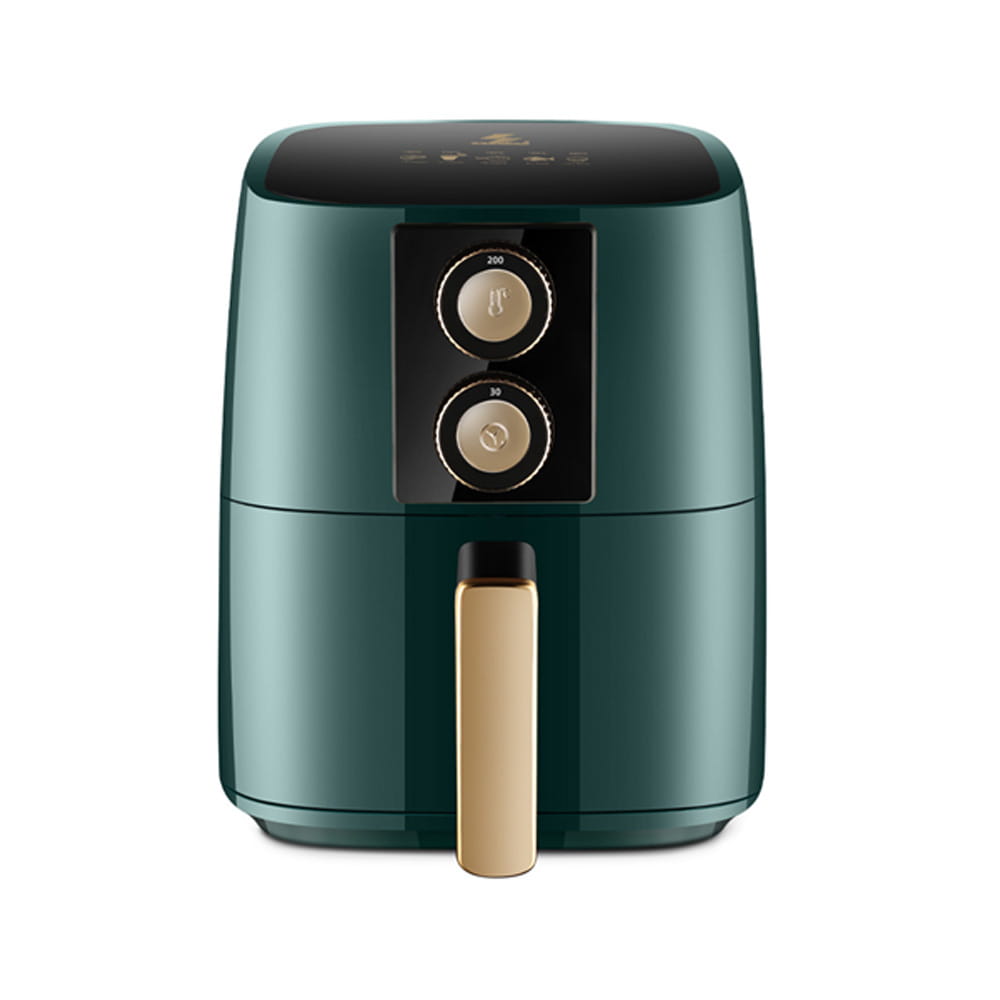
Mechanical invisible air fryer
Mechanical Air Fryer -
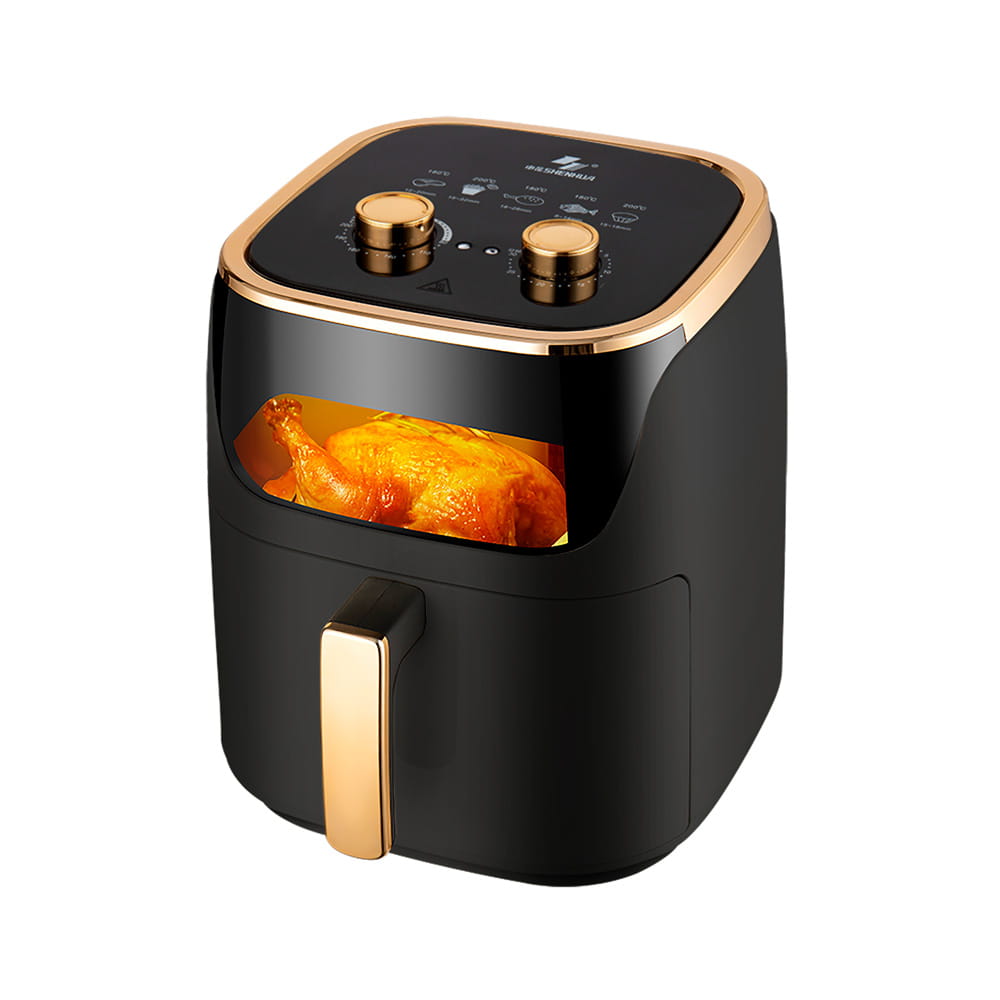
Removable Mechanical Visual Air Fryer
Mechanical Air Fryer -
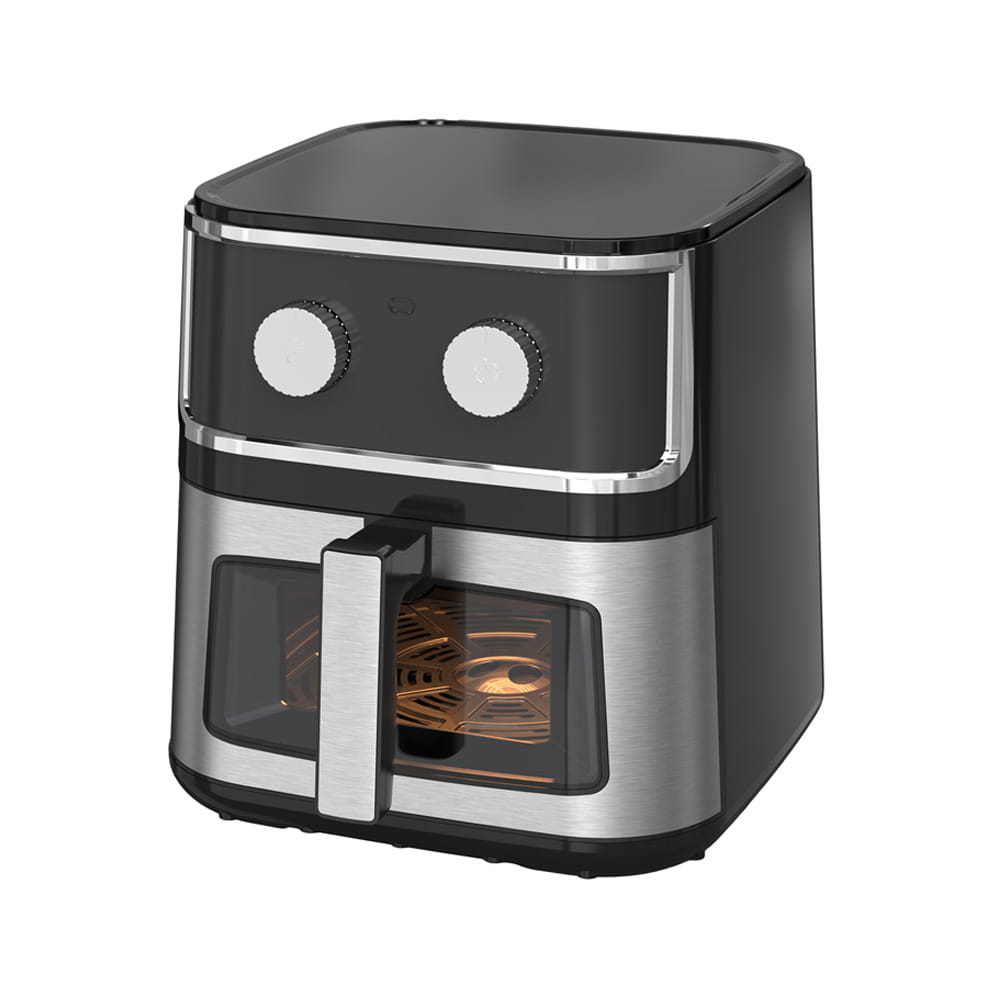
Mechanical Visible Stainless Steel Air Fryer
Stainless Steel Air Fryer -
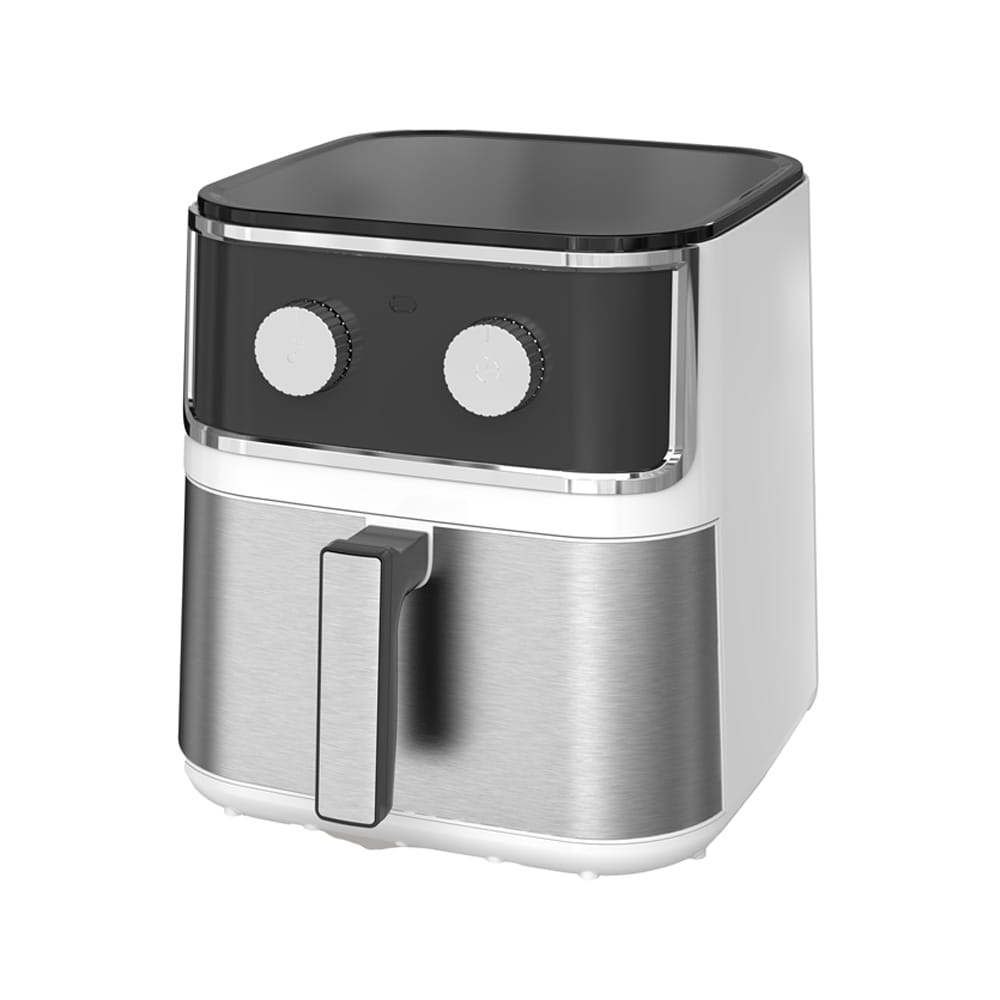
Mechanical Invisible Stainless Steel Air Fryer
Stainless Steel Air Fryer -
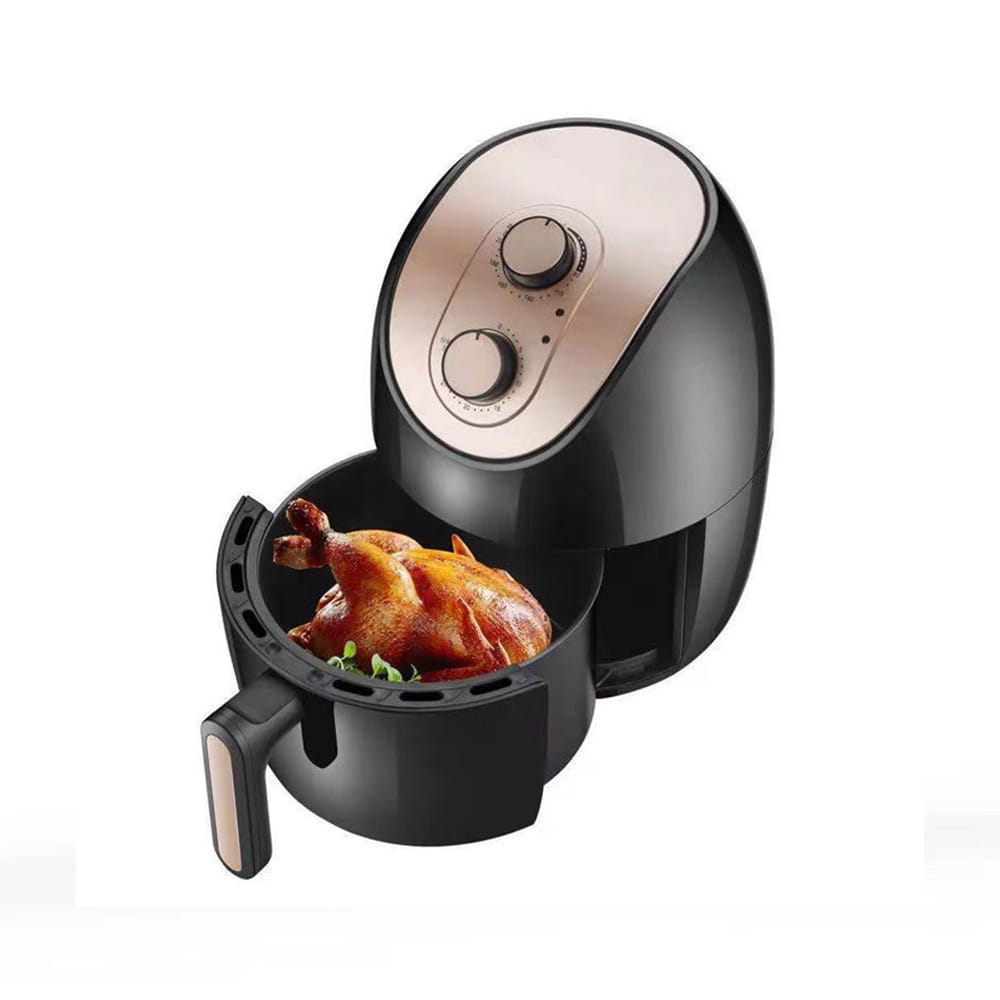
3L Mechanical Control Air Fryer
Mechanical Air Fryer -
3.5L Commercial Mechanical Air Fryer
Mechanical Air Fryer -
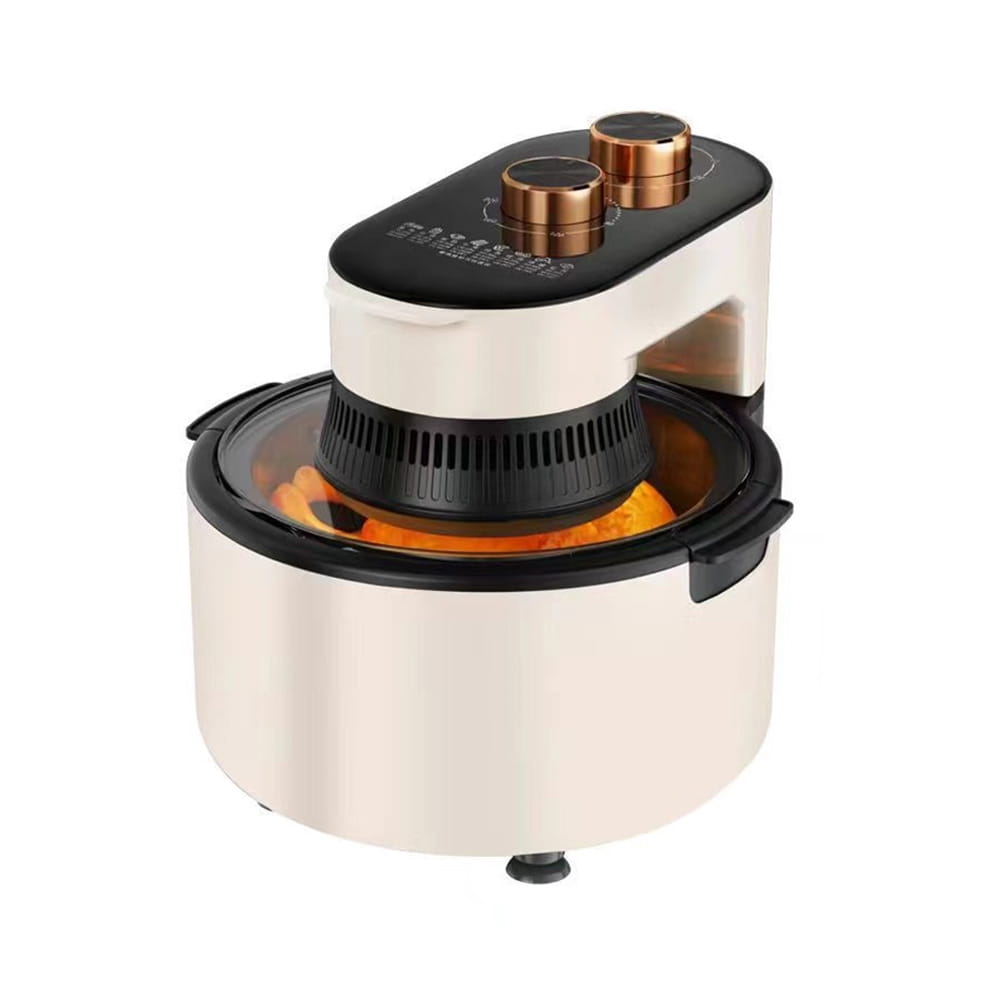
Glass Mechanical Air Fryer
Mechanical Air Fryer -
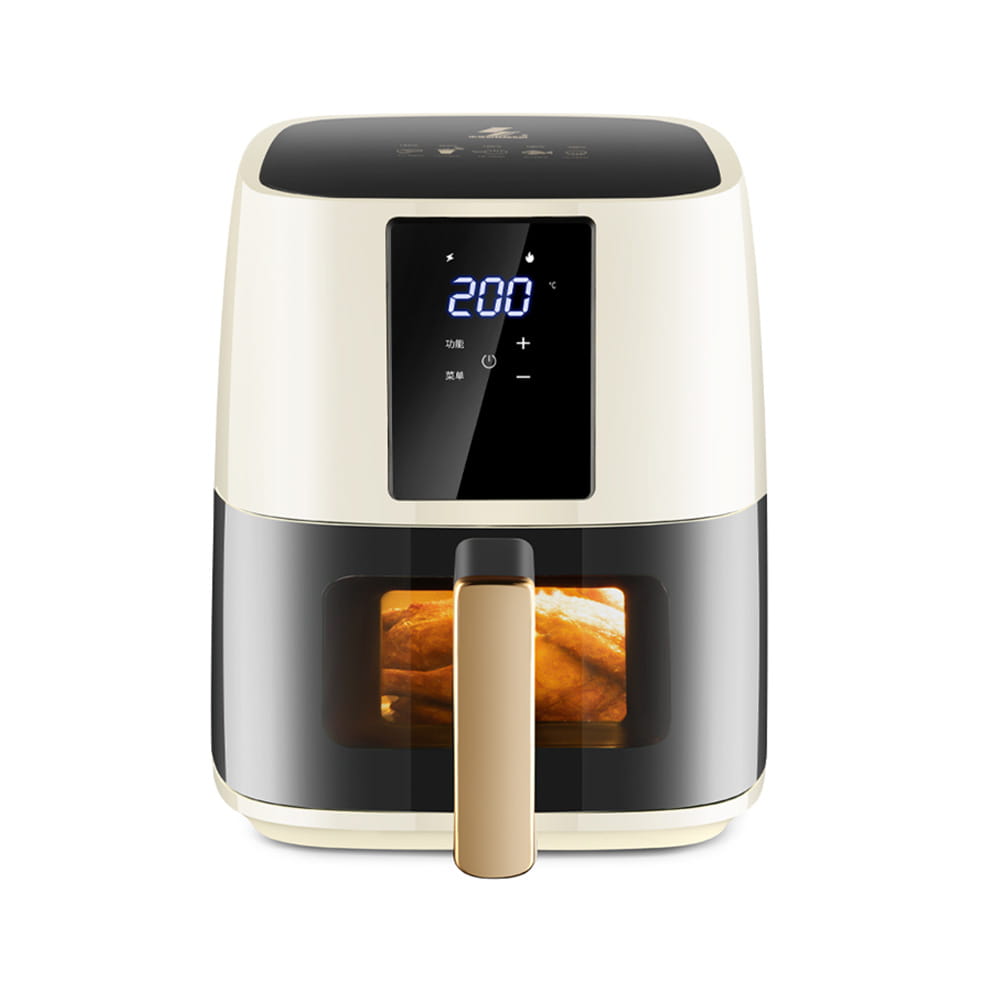
LCD Visual Air Fryer
LCD Air Fryer -
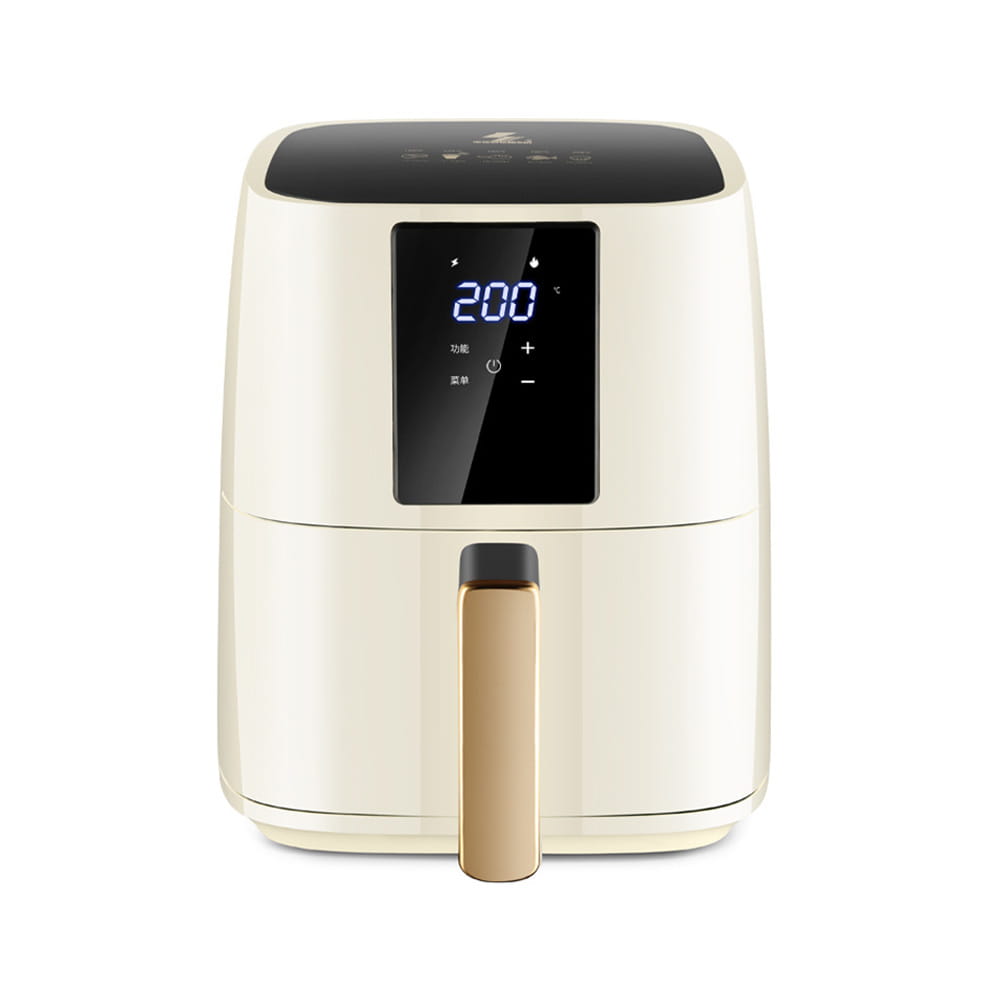
LCD Invisible Air Fryer
LCD Air Fryer -
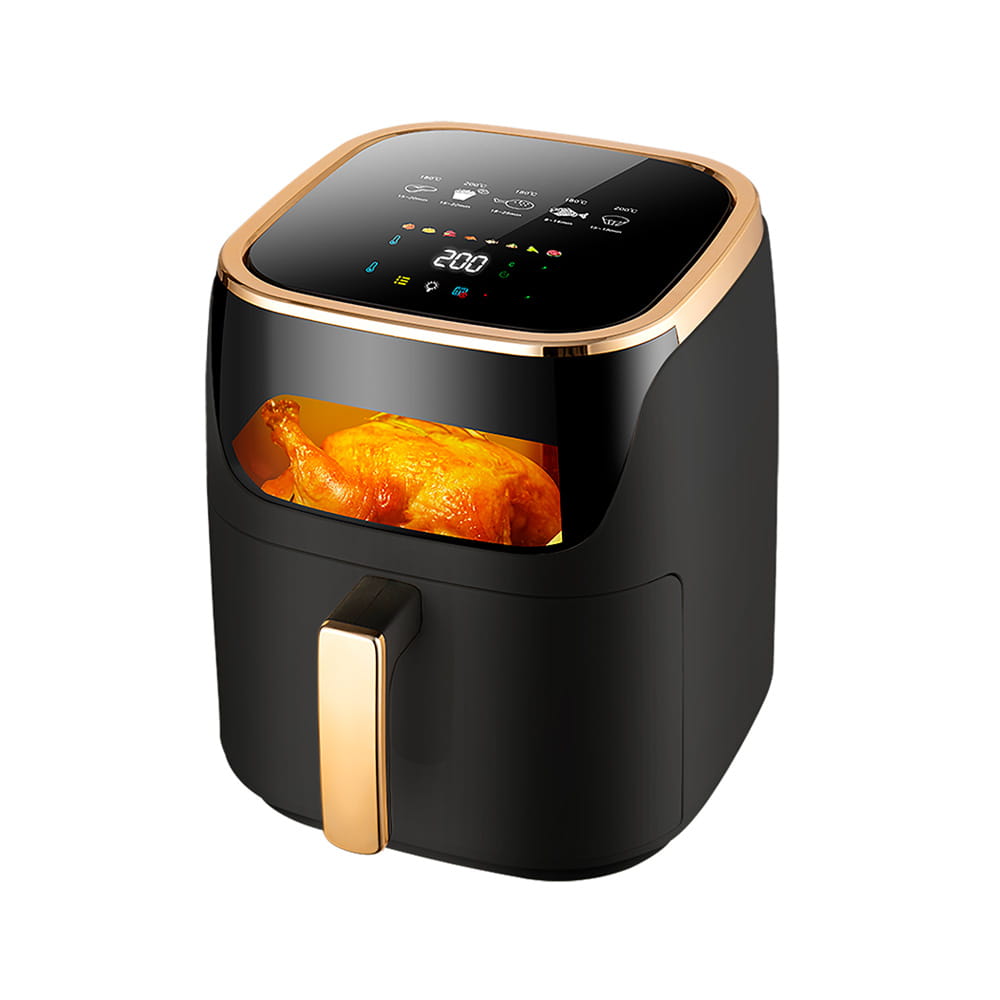
Detachable LCD visual air fryer
LCD Air Fryer -
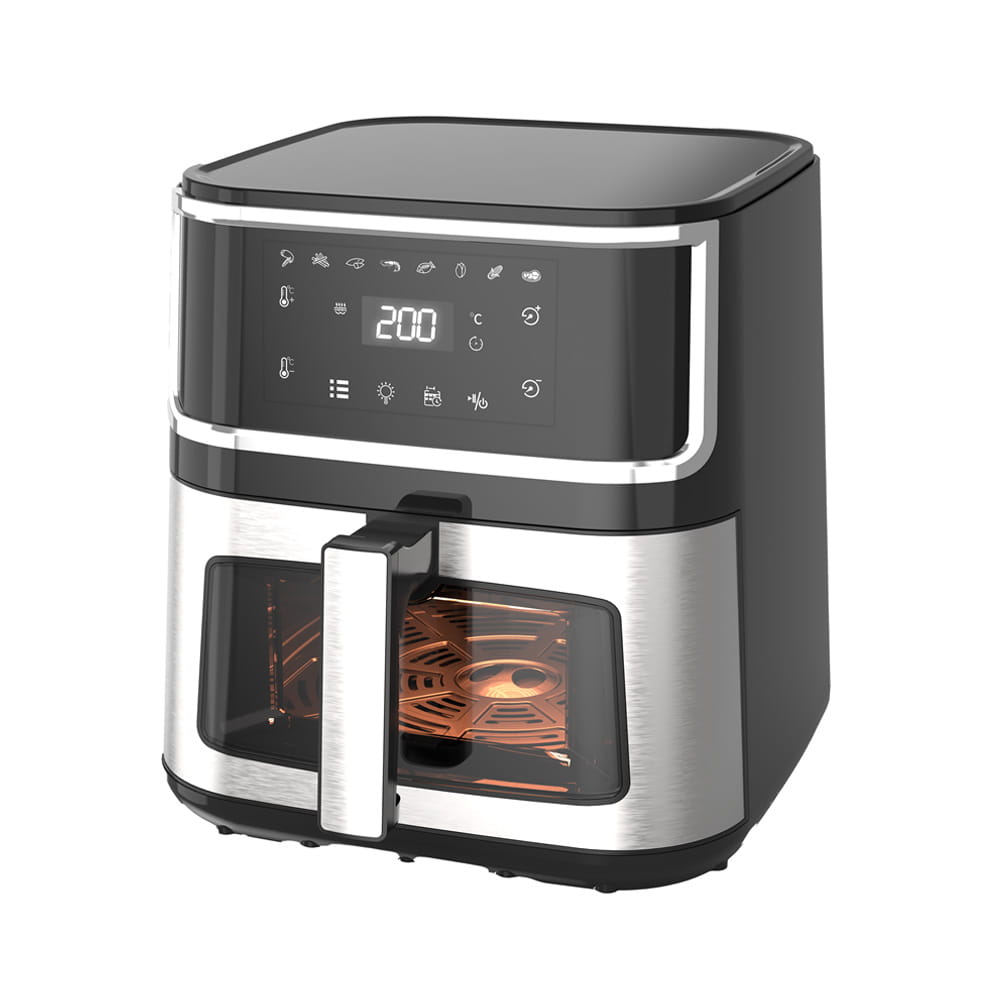
LCD Visual Stainless Steel Air Fryer
Stainless Steel Air Fryer -
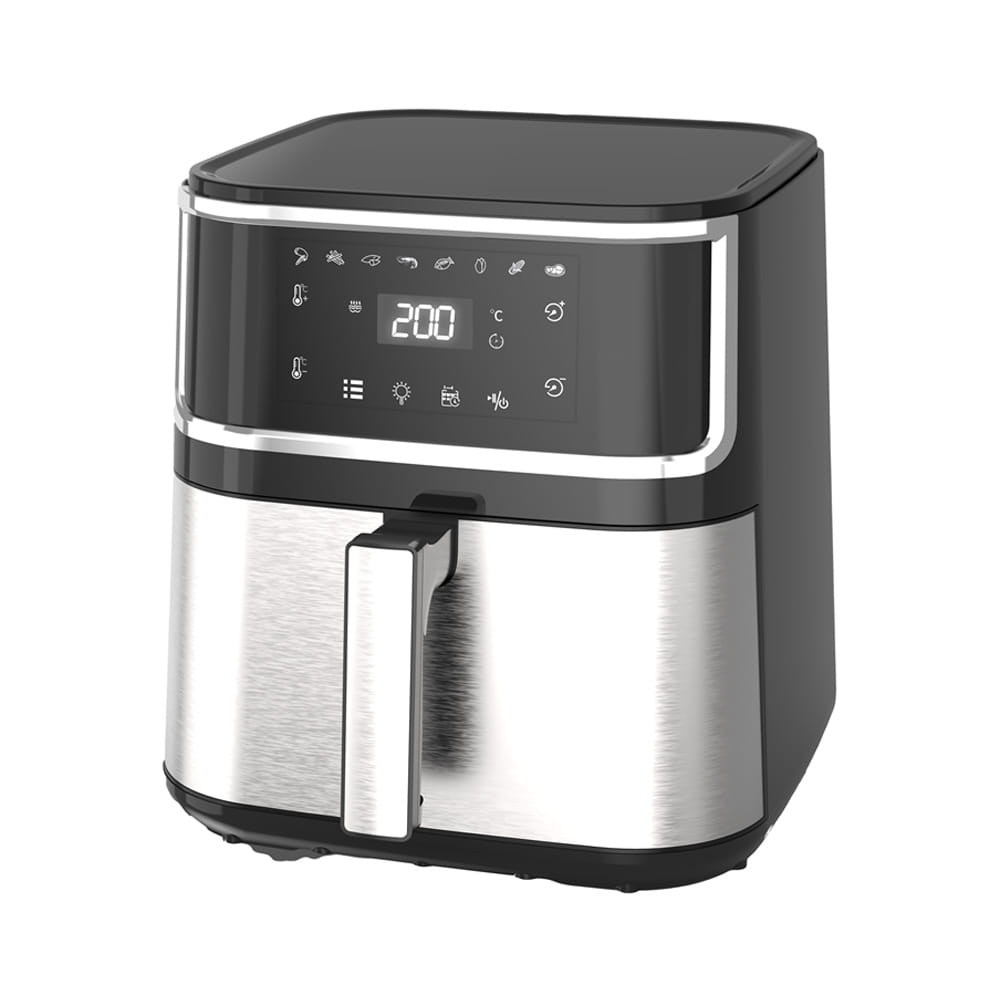
LCD Non-Visible Stainless Steel Air Fryer
Stainless Steel Air Fryer

COMPANY
About Us
The company is located in cixi city, which is known as the pearl in the south of the river. It is one of the cities with the fastest economic development in zhejiang province, and it faces beilun port, a big port in the east. It is a famous China Visual Air Fryers Suppliers and Air Fryers Factory, in the north, Hangzhou Bay Bridge is connected to the metropolis of Shanghai. The transportation is very convenient and the natural conditions are very superior.
- Minor customization
- Design-based customization
- Raw-material traceability identification
- QA/QC inspectors
- RoHS
News And Information
Provide you with the latest information about our company.
Industry Knowledge
I. The Rise of See-Through Cooking: Introducing the Visual Air Fryer
Understanding the Innovation of Visual/Invisible Air Fryers
Air fryers have quickly secured a place in the modern kitchen appliance landscape due to their healthy and convenient cooking method. However, early air fryers, which we term "Invisible Air Fryers," commonly suffered from a core drawback: the opacity of the cooking process. Users had to frequently pull out the basket to check on the food, an action that interrupts the heating cycle, causes heat loss, affects the final crispness, and is generally inconvenient.
It is precisely to address this pain point that Visual Air Fryers emerged as a significant market innovation.
What is a Visual Air Fryer?
The definition of a Visual Air Fryer is straightforward: it is an air fryer equipped with a transparent viewing window and a built-in lighting system.
- Core Features:
- Transparent Window: Typically made of high-temperature resistant tempered glass or high-grade, food-safe plastic, allowing users to clearly observe the food's cooking status.
- Internal Lighting: Equipped with high-brightness LED lights to illuminate the basket interior, ensuring clear visual monitoring even in poorly lit kitchens.
This design transforms the cooking process from "invisible" to "visual," significantly enhancing the user experience. Manufacturing companies like Ningbo Yuecheng Electric Co., Ltd., which specializes in the production of air fryers, vacuum cleaners, and ironing machines, are dedicated to integrating this high standard of quality management and innovative design into their product lines.
How it differs from traditional air fryers
The main differences between traditional "Invisible Air Fryers" and Visual Air Fryers can be clearly demonstrated through the following parameter comparison:
| Feature | Traditional Air Fryer | Visual Air Fryer |
| Cooking Monitoring | Invisible / Opaque | Visual / Transparent |
| Heat Loss | Heat loss upon opening the basket to check food, affecting efficiency. | No need to open; heat stability is maintained, improving energy efficiency. |
| Ease of Operation | Frequent handling of the basket, effortful and inconvenient. | A simple glance is sufficient, convenient operation. |
| Burn Prevention | Relies on timers or experience; higher risk of scorching. | Extremely low risk; status and color monitored in real-time. |
| User Experience | Poor, lacks involvement and control. | Excellent, enhances cooking enjoyment and confidence. |
The market trend: Why manufacturers are adding visibility features
Market demand for Visual Air Fryers is growing rapidly. For innovative companies like Ningbo Yuecheng Electric Co., Ltd., the company's location in Cixi City—known as the "Pearl in the South of the River," one of the fastest-developing cities in Zhejiang Province—provides a strategic advantage. It faces Beilun Port to the east and is connected to the metropolis of Shanghai by the Hangzhou Bay Bridge to the north. This superior location and convenient transportation foster a strong drive for user-centric innovation.
Manufacturers are actively adding visibility features because they provide tangible benefits:
- Consumer-Driven Innovation: Meets the consumer need for "at-a-glance" cooking control.
- Competitive Differentiation: In the highly commoditized home appliance market, the Visual Air Fryer offers a unique selling proposition.
Benefits of Using a Visual Air Fryer
The Visual Air Fryer is more than just a minor design change; it fundamentally alters the way air fryers are used, offering multiple core advantages:
- Improved cooking control. In addition, during cooking, users can observe the browning, expansion, or crisping process directly through the window without pulling out the basket. This means you can accurately adjust the remaining time and temperature based on the food's actual visual state, rather than simply relying on a preset timer. This immediate, visual-feedback control is incomparable to traditional air fryers.
- Reduced risk of burning food. The drawback of "invisible" cooking is that by the time you realize the food is scorched, it's often too late. With a Visual Air Fryer, users can immediately pause or turn off the power once they see the food is approaching ideal crispness or showing signs of over-browning. This instant intervention capability greatly reduces the risk of food being burned or overcooked.
- Enhanced cooking experience. Cooking is no longer a process filled with uncertainty. Watching fries gradually turn golden or chicken skin crisp up brings great joy and a sense of accomplishment to the user. This increased involvement and predictability lead to higher usage frequency. Ningbo Yuecheng Electric Co., Ltd., which has a complete and scientific quality management system, seeks to deliver this superior user experience through its product offerings.
II. Technology Deep Dive: Beyond the Window
The Anatomy of a Visual Air Fryer (Structural Analysis of the Visual Air Fryer)
The innovation in Visual Air Fryers extends far beyond a transparent piece of glass; the underlying technological challenges and precision engineering are key to achieving perfectly cooked, visible results. For manufacturers committed to high-quality kitchen appliances, like **Ningbo Yuecheng Electric Co., Ltd.**, ensuring that visibility does not compromise cooking efficiency is a central goal of R&D.
Achieving reliable visual functionality requires careful selection and design of the following key components:
- The Importance of Window Material: Heat resistance and clarity The choice of viewing window material is crucial. It must withstand the sustained high temperatures inside the air fryer (up to 200°C or higher) without deforming or releasing harmful substances.
- High-Standard Materials: Premium Visual Air Fryers typically use Tempered Glass, which offers excellent impact resistance and heat tolerance; or high-grade food-safe, high-temperature resistant plastic, which is lighter and more cost-effective.
- Clarity Maintenance: The window surface is often specially treated to resist oil adhesion and reduce steam condensation, ensuring the user maintains a clear view throughout.
- Internal Lighting Systems: LED placement and brightness for optimal viewing A clear viewing window is ineffective without sufficient light. The internal lighting system is designed to overcome food shadows and browning colors inside the basket.
- Light Source Type: The vast majority use high-brightness LED lights, which are energy-efficient, long-lasting, and generate minimal heat, preventing a significant impact on the internal temperature field.
- Placement Strategy: Lights are strategically positioned at the top or sides of the basket, ensuring uniform coverage of the entire cooking area and eliminating visual blind spots.
- Air Circulation and Heat Management: Ensuring the window doesn't compromise efficiency This is the biggest technical challenge. The core of an air fryer is its high-speed hot air circulation system. Adding a window can potentially introduce a point of heat dissipation.
- Engineers must optimize the sealing and insulation around the window to prevent heat from escaping the edges.
- Through precise fan and heating element design, they ensure that the airflow maintains an ideal speed for even heating, even with the presence of the viewing window.
Comparing Visual vs. Traditional ("Invisible") Air Fryers (Visual vs. Traditional "Invisible" Air Fryer Comparison)
From a performance perspective, the main concern for users is: does adding a window reduce cooking efficiency? Here is a technical comparison:
| Feature | Traditional "Invisible" Design | Visual Air Fryer Design |
| Thermal Stability | Extremely high; the enclosure is fully sealed. | Excellent, but relies on high-quality window sealing and insulation materials. |
| Average Energy Efficiency | Relatively high. | Comparable, but can be more efficient by eliminating the need for visual checks. |
| Cooking Interruptions | High (frequent opening required). | Low (only for shaking or flipping). |
| Actual Cooking Time | Potentially longer (due to heat recovery time after interruptions). | Shorter (continuous heating, no unnecessary heat loss). |
| Technical Focus | Efficiency of internal airflow and heating elements. | Heat resistance of window material and frame sealing. |
- Performance Comparison: Theoretically, any added surface (like a window) is a potential point of heat loss. However, modern Visual Air Fryers utilize advanced multi-layer glass and precision sealing technology to minimize heat loss. As emphasized by Ningbo Yuecheng Electric Co., Ltd. in its quality management system, products must balance innovation with reliability, ensuring that the efficiency gains from visibility (fewer interruptions) fully offset any theoretical heat loss.
- Design and Aesthetics: Traditional "invisible" air fryers are often monotonous plastic or metal cylinders. Visual Air Fryers integrate functionality with modern aesthetics. The transparent window and internal lighting make them a stylish kitchen appliance, enhancing the overall appearance of the kitchen.
- Cost-Benefit Analysis: The visualization feature does increase manufacturing costs (high-strength window materials, LED lighting, and precision sealing components). But for users who prioritize quality living, cooking control, and convenience, the return on investment (ROI) far exceeds the added cost due to reduced food waste from scorching, saved time and energy from cooking interruptions, and enhanced cooking enjoyment.
III. How to Choose the Right Visual Air Fryer
Key Features to Consider for Seamless Visual Cooking (Key Considerations for Seamless Visual Cooking)
After establishing the technological and user experience advantages of the Visual Air Fryer, consumers still face many choices in the market. Selecting the best device requires evaluating capacity, features, budget, and, most critically, the quality of the "visual" functionality.
- Window Visibility and Lighting (Window Clarity and Lighting Effect) This is the core value of the Visual Air Fryer. A high-quality viewing window should meet the following standards:
- High-Temperature Resistance: As previously mentioned, the material must be safe and durable.
- Anti-Fog/Anti-Oil Treatment: Ensures the window does not quickly fog up from steam or oil splatter when cooking high-moisture or high-fat foods, hindering observation.
- Lighting Brightness: The internal LED lights must be bright enough to clearly illuminate every corner of the basket. Some premium models even allow users to adjust the brightness or color of the light for better observation of food color changes.
- Capacity and size (Capacity and Dimensions) Air fryer capacity is usually measured in quarts (QT) or liters (L). Selection of the appropriate size should be based on household size and cooking habits.
| Household Size | Recommended Capacity | Applicable Type |
| 1-2 People | 2-4 QT (approx. 1.8-3.8 L) | Compact Basket Style |
| 3-4 People | 5-7 QT (approx. 4.7-6.6 L) | Standard Basket or Small Oven Style |
| 5+ People | 8 QT and above (approx. 7.6 L+) | Large Oven or Dual-Basket Style |
- Temperature range and control (Temperature Range and Control Precision) An excellent air fryer requires precise temperature control.
- Range: A wide range, typically from 40°C up to over 200°C, to accommodate everything from low-temperature dehydration to high-temperature crisping.
- Precision: High-quality sensors ensure that the actual temperature deviation from the set temperature is minimal, which is crucial for achieving professional cooking results.
- Cooking presets and functions (Cooking Presets and Functions) Modern Visual Air Fryers often integrate multiple functions such as Roast, Bake, Dehydrate, and Reheat. Presets should be intuitive and easy to use, minimizing manual adjustments.
- Ease of cleaning (Cleaning Convenience) Due to the presence of the viewing window, the cleaning area is expanded. An ideal product should feature:
- Removable and Non-Stick Coated Baskets/Trays: Preferably dishwasher-safe.
- Easy-to-Wipe Window: Both external and internal materials should resist deep oil adhesion.
Budget Considerations and Market Insight (Budget Considerations and Market Insight)
Price is always a factor when selecting appliances. The cost of Visual Air Fryers is usually slightly higher than that of comparable capacity "invisible" models, mainly due to the added viewing window, heat-resistant materials, and lighting system.
- Affordable options: Typically smaller in capacity (4-6 QT), may feature simpler window materials, and focus on basic air frying functions.
- High-end models: Larger capacity (8 QT+), equipped with precision electronic control, smart connectivity, and more durable, clearer viewing windows and brighter lighting systems.
Companies like Ningbo Yuecheng Electric Co., Ltd., leveraging their advantageous location in Cixi City and established supply chain, can offer competitive pricing while maintaining product quality. The company's integrity, strength, and product quality are recognized by the industry, which reflects that high-quality manufacturing can be balanced with cost efficiency.
User Reviews and Ratings (User Reviews and Ratings)
- Importance of reading reviews: Before purchasing, it is essential to check numerous user reviews, focusing on feedback directly related to the "visual" experience:
- Does the window fog up easily?
- Is the light bright enough?
- How difficult is the cleaning process?
- Is the sealing around the window edges reliable long-term?
- Where to find reliable reviews: Focus on independent, professional appliance review institutions and forums rather than relying solely on single-channel sales ratings to get a comprehensive view.
IV. Mastering the Visual Air Fryer: Tips, Tricks, and Recipes
The core advantage of Visual Air Fryers is "visualization," which allows users to move beyond reliance on timers and preset programs to genuinely control the food's status in real-time. Mastering a few key techniques can maximize their benefits and achieve perfectly crisp results.
Tips for Using a Visual Air Fryer (Tips for Using a Visual Air Fryer)
The design philosophy of Visual Air Fryers is to give users complete cooking confidence and control.
- Best Practices for Cooking
- Leveraging the Window for Timing Adjustments: The window allows users to perform a "visual check" rather than a "physical check." When the food reaches the ideal golden-brown color, even if the timer hasn't finished, you can end the cooking early, preventing carry-over heat from scorching the food. Conversely, if the timer ends but the food color is still light, you can add a few minutes directly without worrying about heat loss.
- Preheating the air fryer: Although many users prefer to start cooking immediately, preheating is crucial for achieving a perfect crispy exterior. Preheating allows the cavity and basket to reach the target temperature quickly, starting the Maillard reaction as soon as the food is placed inside. For Visual Air Fryers, preheating usually takes only 3-5 minutes, after which the visual cooking can begin.
- Using oil correctly
- Light Spraying: Air fryers require very little oil. Using a spray bottle covers the food more evenly than pouring oil directly.
- Choose High Smoke Point Oils: Select oils with a high smoke point, such as peanut oil, canola oil, or avocado oil, to ensure they do not produce smoke or odors during high-temperature cooking.
- Arranging food for even cooking
- The "Single Layer Principle": Try to arrange food in a single layer, especially when cooking small items like fries or nuggets. This ensures the hot air can circulate 360 degrees without obstruction, achieving overall crispness.
- Using the Window for Shaking: For dishes that require shaking, the window tells the user when to shake, but more importantly, it helps you determine if shaking is necessary. If visual observation shows the bottom layer of food is significantly lighter than the top, shaking should be performed to ensure even heating.
Recommended Recipes for See-Through Success (Recommended Recipes for See-Through Success)
- Easy and popular recipes
- Perfectly Crispy Fries: Watching the potato strips transition from white to pale yellow, then to golden-brown, is a classic example of using the window to achieve precise crispness.
- Golden Chicken Wings: The window clearly shows the skin shrinking, fat dripping, and surface bubbles forming, allowing for accurate judgment of when the skin has reached maximum crispness.
- Watching Cheese Melts: Making small pizzas or grilled cheese sandwiches, the window allows users to precisely capture the moment the cheese is fully melted and the edges begin to caramelize (browning).
- Tips for adapting traditional recipes
- Reducing Cooking Time: Due to the high efficiency of air fryers, and the heat retention benefits of the Visual Air Fryer design, the cooking time for traditional oven recipes usually needs to be reduced by 20% to 30%.
- The "Visual Check" Method: Convert the "time" guidance from traditional recipes into "visual" guidance. For example, change "bake for 15 minutes" to "bake until the food is observed through the window to be medium golden-brown."
Ningbo Yuecheng Electric Co., Ltd.'s commitment to quality is evident in the development and promotion of these cooking techniques. The company, situated in the conveniently located and economically thriving Cixi City, ensures that every aspect of its product design and manufacturing focuses on user experience and the science of food preparation. It is through the company's complete and scientific quality management system that its air fryers, whether Visual Air Fryers or other appliances, deliver precise temperature control and uniform heating, allowing users to confidently apply these advanced techniques for consistent, ideal cooking results. The company's integrity, strength, and product quality are recognized by the industry, and friends from all walks of life are welcome to visit for guidance and business discussions.
V. Longevity and Maintenance
Maintenance and Care for Your Clear-View Appliance (Care and Maintenance for Your Clear-View Appliance)
Visual Air Fryers are designed to provide a long-lasting, clear cooking experience. To ensure their efficient operation and the durability of the core "visual" function, regular maintenance and correct cleaning are paramount. For an enterprise like Ningbo Yuecheng Electric Co., Ltd., known for its "complete and scientific quality management system," ease of maintenance is a critical design consideration.
- Cleaning Your Visual Air Fryer
The key to maintaining a Visual Air Fryer is preserving the clarity of the transparent viewing window. If oil stains and steam residue are allowed to accumulate over time, the appliance loses its "visual" value.
- Window Cleaning Guidelines:
- Cooling Prioritized: Always unplug the device and ensure it is completely cooled before attempting any cleaning.
- Gentle Detergents: Use a mild dish soap solution and a soft sponge or cloth to clean the interior and exterior surfaces of the window.
- Avoid Abrasives: Absolutely avoid using steel wool or abrasive cleaners, as they will scratch the surface (especially high-grade plastic or softer glass), reducing clarity.
- Internal Wipe-Down: After the basket and removable trays are cleaned, use a damp cloth to wipe down the air fryer's internal cavity, removing any splattered grease.
- Step-by-step cleaning guide:
- Disassemble: Remove the basket or trays (if applicable).
- Soak: Soak the removable parts in warm soapy water to soften stubborn stains.
- Wipe: Carefully wipe the interior side of the viewing window with a damp cloth to remove oil residue.
- Dry: Ensure all components are completely dry before reassembling to prevent moisture from affecting the heating element.
- Tips for removing stubborn residue
If there is stubborn charring or grease buildup on the inside of the viewing window, try the following methods:
- Baking Soda Paste: Mix baking soda with water to form a paste, apply it to the stain for 10-15 minutes, then gently wipe with a non-abrasive sponge.
- White Vinegar Steam Method: Place a small bowl of white vinegar and water inside the air fryer and run the appliance for a few minutes (e.g., 5 minutes at 120°C). The resulting steam will soften internal grease, allowing you to wipe it clean after unplugging and cooling.
- Maintaining Internal Lighting
The LED lights are essential for the Visual Air Fryer's visibility. While LEDs have a long lifespan, if the light dims or individual bulbs fail, consult the manufacturer's after-sales service. Attempting to replace the lighting elements yourself may involve disassembling the unit, which could compromise the device's sealing and warranty.
Troubleshooting Common Issues
With the visual design and convenient maintenance, many common problems can be discovered and solved proactively:
| Common Issue | Cause | Solution and Maintenance |
| Uneven cooking | Food piled too high or restricted airflow. | Reduce food quantity, ensure a single layer, or use the window to prompt shaking mid-cycle. |
| Burning food | Temperature set too high or too much oil. | Monitor in real-time through the window; stop cooking immediately when the color is ideal; check if the temperature setting is too high for the recipe. |
| Strange odors | Residue from first use or accumulated grease. | Thoroughly clean the cavity below the heating element; perform a high-temperature empty run to burn off manufacturing residues. |
| Window fogging | High moisture content in the food. | Temporarily open the device for a few seconds to vent; confirm the internal sealing ring is intact. |
For the **Ningbo Yuecheng Electric Co., Ltd.** located in Cixi City, manufacturing durable and easy-to-maintain products is a point of corporate pride. The company understands that the success of Visual Air Fryers depends on their long-term clarity and functionality. Therefore, their design focuses on **easy-to-clean construction** and **durable material selection**. The company's integrity, strength, and product quality are recognized by the industry, which is reflected not only in performance but also in the long-term convenience provided to consumers. Friends from all walks of life are welcome to visit for guidance and business discussions.
VI. Frequently Asked Questions (FAQ)
To help consumers fully understand and use the Visual Air Fryer, we have compiled and answered some common questions regarding its function, maintenance, and value.
Q1: Does the glass/plastic window scratch easily?
A: High-quality Visual Air Fryers are typically made with durable materials for the viewing window. As mentioned in the technical section, manufacturers usually choose tempered glass or high-grade food-safe, high-temperature resistant plastic. These materials offer a degree of scratch resistance but are not completely immune.
The key lies in the cleaning method:
- How to Prevent Scratches: When cleaning the window, you must use a soft sponge or cloth along with a non-abrasive mild detergent.
- Avoid: Avoid using scrubbing pads, steel wool, or cleaners containing abrasive particles, as these will cause micro-scratches that degrade the window's clarity over time.
Q2: Do Visual Air Fryers use more energy than traditional ones?
A: When well-designed, the energy consumption of Visual Air Fryers is essentially the same as traditional "invisible" air fryers of comparable size.
An air fryer's energy consumption is mainly determined by the rated power of its heating element and the cooking time. Although the window is theoretically a potential point of heat loss, modern designs use multi-layer insulation and precision sealing to minimize this loss.
Efficiency Comparison:
| Feature | Traditional "Invisible" Model | Visual Air Fryer Model |
| Rated Power (P) | Same (depends on capacity). | Same. |
| Heat Loss (Theoretical) | Minimal. | Slightly higher, but mitigated by quality engineering. |
| Heat Loss (Actual Use) | High loss with every basket opening for checking. | Minimal (as opening is unnecessary). |
| Actual Cooking Cycle | May be prolonged due to repeated interruptions. | More stable and efficient, often resulting in a shorter cycle. |
Therefore, by reducing the frequency with which users open the basket, the Visual Air Fryer maintains a more stable internal temperature, indirectly improving cooking efficiency, and from a practical use perspective, the energy consumption is not higher.
Q3: Is the window truly necessary, or is it a gimmick?
A: The window is far from a gimmick; it is a significant upgrade to the user experience, solving a core pain point of traditional air frying.
- Practical Value: It provides real-time, non-disruptive cooking control. Users can accurately judge the degree of the Maillard reaction (browning), preventing burnt or undercooked food.
- Functional Integration: The design of quality Visual Air Fryers, such as those produced by Ningbo Yuecheng Electric Co., Ltd., combines visibility with high efficiency and ease of use. The company, with its complete and scientific quality management system, ensures that every feature, including the viewing window, is rigorously tested to enhance practical value. The window is an embodiment of this user-centric design philosophy.
Q4: How often should I clean the viewing window to maintain clarity?
A: Ideally, a simple cleaning is recommended after every use to prevent grease and steam residue from drying and hardening.
- Routine Cleaning: After each cooking session, use a damp cloth or sponge with a small amount of mild detergent to wipe the interior and exterior surfaces of the window.
- Deep Cleaning: If high-fat foods (like chicken wings or pork belly) are cooked, deep cleaning is recommended (refer to the Maintenance section), to ensure grease does not form a hard-to-remove film on the inside of the window.
Q5: Are Visual Air Fryers typically larger or heavier than standard models?
A: Generally, Visual Air Fryers may be slightly larger or heavier than standard models of the same capacity, but the difference is usually marginal. The added weight and size primarily come from:
- The tempered glass viewing window used for safety and insulation.
- The additional internal LED lighting system and wiring.
- The reinforced casing and frame used to mount the window and ensure a heat-tight seal.
Ningbo Yuecheng Electric Co., Ltd. strives to balance these factors in its product design, ensuring that its appliances provide an excellent visual experience while maintaining reasonable kitchen counter space and manageable weight for easy handling.