 English
 Español
Heating Principle of Mechanical Air Fryers
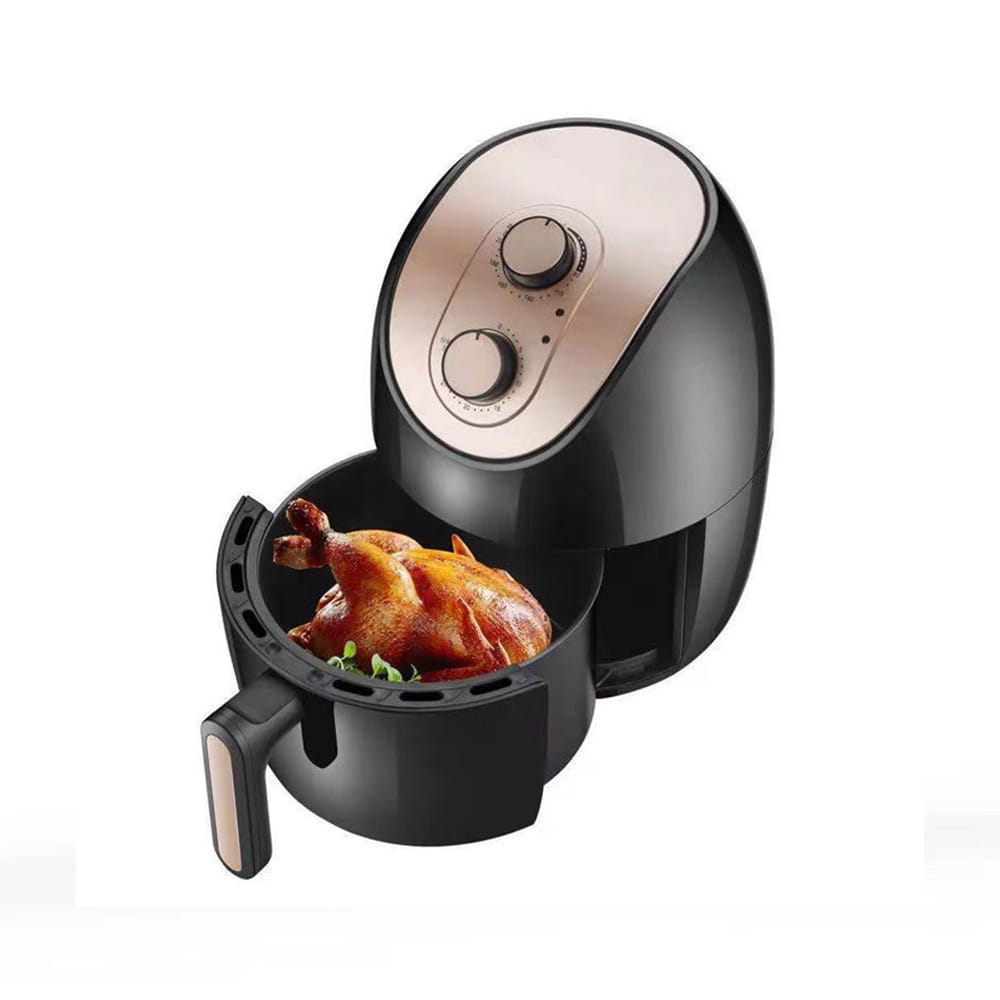
Mechanical air fryers use a high-efficiency hot air circulation system to transfer heat rapidly to the surface of food, achieving a crisp texture similar to deep frying without excessive oil. The heating element generates heat, while a fan circulates hot air at high speed inside the fryer, ensuring even temperature distribution. The preheating stage is a critical part of the cooking process, directly affecting the uniformity of heat and the final quality of the food.
Preheating Time and Temperature Stability
Preheating time refers to the duration required for the air fryer to reach the set cooking temperature from the moment it is turned on. Adequate preheating allows the internal air and the fryer basket to reach a stable temperature, ensuring that food is exposed to hot air at the ideal temperature immediately. Insufficient preheating can lead to uneven heating, resulting in food that is overcooked on the outside and undercooked inside, significantly reducing cooking performance.
Impact on Food Texture
Mechanical air fryers that are not fully preheated slow down the evaporation of moisture from food surfaces, producing results that are soft rather than crispy. For foods such as French fries, chicken wings, or breaded items, which require a crunchy exterior and tender interior, insufficient preheating can noticeably affect texture. Fully preheated fryers allow the surface of the food to reach high temperature quickly, locking in moisture inside while forming a golden, crispy layer outside.
Influence on Cooking Time
Preheating time also affects the accuracy of cooking times. Most air fryer recipes assume the device has already reached the target temperature. Skipping preheating may require cooking food at lower temperatures initially, extending total cooking time and compromising texture and nutrient retention. Proper preheating ensures that food begins cooking at the desired temperature, reducing overall cooking time and improving efficiency.
Energy Efficiency Considerations
Properly managed preheating can have a significant impact on energy efficiency. While the preheating stage consumes electricity, it reduces overall cooking time by maintaining a stable temperature and avoiding repeated heating cycles. Foods cooked in an adequately preheated air fryer reach the desired results faster, indirectly saving energy and improving performance.
User Experience and Convenience
Preheating affects the overall user experience. When users do not have to constantly adjust cooking settings or repeat heating cycles, the cooking process becomes simpler and more intuitive. Modern mechanical air fryers often include preheating indicators or automatic preheat functions to alert users when the appliance reaches the optimal temperature, preventing issues related to inconsistent cooking.
Food Type Sensitivity
Different foods have varying sensitivity to preheating. Thick cuts of meat, such as chicken legs or steaks, require more uniform heat, and insufficient preheating can lead to uneven cooking. Thin or vegetable-based foods are less sensitive but still benefit from preheating to achieve even color, texture, and moisture retention. Adjusting preheating time based on food type is essential to maximize cooking results.
Recommended Preheating Times
Depending on the power and capacity of the mechanical air fryer, recommended preheating times typically range from 3 to 8 minutes. Smaller units reach the target temperature quickly, while larger or multi-layer fryers require longer preheating to ensure consistent hot air circulation. Users should follow manufacturer instructions and consider the type of food being cooked to determine the optimal preheating duration.